

Trying to rank for “best coffee maker” in July is like trying to sell snow shovels during a heatwave. You’re fighting gravity while ignoring the natural rhythms of how people actually search.
These search patterns aren’t random – they’re predictable surges tied to holidays, weather, and cultural moments. Think Christmas gifts exploding in December or tax tips peaking in April.
The beauty? While everyone fights over stale terms, you can ride these waves when demand actually exists. It’s showing up to the party when the drinks are flowing, not early to set up chairs.
Mastering this rhythm isn’t just SEO – it’s learning to dance with consumer intent. For those ready to move beyond basic tactics, our guide to effective strategies for seasonal traffic reveals how to turn temporal patterns into lasting advantage.
Finding Seasonal Trends
Ever feel like you’re trying to predict the weather with a Magic 8 Ball when planning content? Here’s the secret: seasonal trends aren’t mystical forces. They’re digital footprints left by millions of conscious consumers. The data exists. You just need to know where to look.
Google Trends is your time machine for search behavior. Want to know when “beach vacation ideas” starts its annual climb? It’s like watching a slow-motion wave building from February through June. The patterns repeat with almost musical regularity.
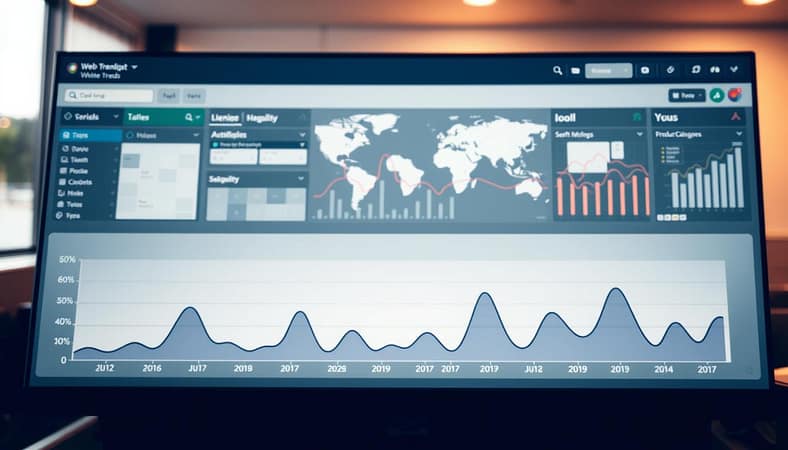
Your own analytics hold gold mines of opportunity. Those traffic spikes from last year aren’t random anomalies. They’re breadcrumbs leading to this year’s victories. Historical data in Google Analytics reveals exactly when your audience cared about what topics.
Competitor analysis shows who’s already riding these waves successfully. More importantly, it reveals where they’re missing the boat entirely. Tools like SEMrush and Ahrefs let you reverse-engineer their seasonal strategies.
But here’s the pro move that separates analysts from amateurs: advanced search operators. Try site:competitor.com “black friday” and watch how their entire seasonal strategy unfolds. It’s like being a digital detective solving the case of “what will people want three months from now.”
The real magic happens when you combine these approaches:
- Google Trends for macro patterns
- Google Analytics for your specific historical data
- Competitor research for strategic gaps
- Search operators for hidden insights
Customer behavior insights complete the picture. When do they start researching holiday gifts? When do summer planning searches peak? This isn’t guessing – it’s pattern recognition at scale.
The data doesn’t lie about seasonality. It just needs someone smart enough to ask the right questions. Your audience tells you what they want and when they want it. Are you listening?
Tools for Planning
Would you trust a sundial to time your rocket launch? Of course not. Yet, many marketers use old tools for planning. The right tools turn your calendar into a strategic center.
Google Trends is like a seismograph for consumer interest. It shows early signs of demand before it’s big. This free tool tells you when people start looking for “backyard grilling” or “winter coats” early.
SEMrush’s Seasonal Keywords Tool is like insider info for search trends. It shows how much more people search for certain terms during seasons. You’ll see when “tax software” searches skyrocket or “beach vacations” start rising.

Ahrefs Seasonal Explorer does similar magic with a twist. It shows which competitors use seasonal trends and how. You can see their best seasonal content and learn from them.
Layering tools is powerful. Mix weather data with search trends to predict “umbrella” searches before storms. Social listening tools catch cultural trends early, like “tiger king” becoming a marketing hit.
Google Keyword Planner is key for measuring opportunities. It shows how many more people search for things in certain months. For example, “Christmas recipes” gets 50,000 more searches in December than June.
Platforms like Serpple offer special benefits for certain industries. They know “accounting software” is big during tax season, while “swimwear” has its own peak.
Your calendar becomes a strategic map with these tools. You’ll spot secondary peaks, predict trends, and avoid busy times.
Arriving early to the seasonal party makes a big difference. These tools help you plan ahead, not just mark dates. You’re not just showing up; you’re making the most of opportunities.
Content Calendar Strategies
Think of your content calendar as a chessboard where you’re always three moves ahead. Start planning 3-6 months before peak seasons. This isn’t just planning—it’s knowing search engines need time to find and rank your content.
Evergreen articles with seasonal sections are your foundation. They’re like classic holiday specials that get updated each year. They keep your content relevant and build your authority.
Technical details are key for professionals. Use consistent URL structures like /summer-sales/ to build SEO value over time. Schema markup for seasonal content acts like digital neon signs during peak search periods.
Your content mix should change with what people want. While many create “Christmas gift guides” in October, the best ones focus on “last-minute Christmas gifts with same-day delivery” in December. It’s about knowing what people search for and when.
Time-sensitive blog posts and seasonal landing pages should target trending keywords at their peak. December 23rd searches need different content than October browsing.
Smart content calendar strategies turn seasonal planning into a strategic win. It’s about being ready before people even know they need you.
Post-Season Updates
When the seasonal confetti settles, the real work begins. Smart marketers know that seasonality doesn’t end when the calendar flips. It’s just the start of a strategic phase. Unlike amateur operations, professionals build competitive advantages here.
The first rule of the post-season club? Never delete your seasonal content. That Christmas landing page might seem useless in July. But it’s quietly building SEO value, like a retirement fund.
Think of it as a restaurant keeping patio menus available during winter. Demand might decrease, but it never fully disappears.
The sophisticated approach? Turn stagnant pages into conversion opportunities. Add “similar products you might like” sections or tease upcoming seasonal content. It’s like a cinematic post-credits scene that keeps audiences engaged.
Redirect strategies separate the tacticians from the tactless. Instead of letting off-season traffic hit dead ends, funnel visitors to relevant content. It’s like a hotel converting its ski rental shop into a bike shop when the snow melts.
The true magic happens in the post-mortem analysis. What worked? What crashed harder than a Zoom call with your extended family? This isn’t cleanup duty – it’s strategic reconnaissance for next year’s campaign.
Like coaches reviewing game tape after the season ends, these insights become next year’s winning plays.
Your post-season strategy should feel less like taking down Christmas lights and more like planning next year’s fireworks show. Because in the world of seasonality, the off-season is where championships are won.
Case Success
Ever wonder why some brands seem to own the search results exactly when you need them? It’s not magic—it’s a well-oiled seasonal calendar in action. Take Patagonia, for instance. They didn’t just throw up a “winter sale” page; they crafted “early winter prep” content in October, then pivoted to “deep winter deals” in January.
Their conversion rates didn’t just spike; they stayed elevated, like a thermostat set to “profit.”
Or consider Expedia’s hemisphere-based targeting—promoting “summer getaways” to Aussies while Americans were buried in snow. The result? Seasonal conversion rates that blow annual averages out of the water, and ROI that makes the planning effort look like a steal. Keyword rankings peak precisely when demand does, turning search engines into personal ATM machines.
But here’s the kicker: success isn’t just in the numbers. It’s in the strategic monopoly you gain. While competitors fight over generic terms, seasonal winners own specific intent at specific times. It’s like having a backstage pass to consumer demand—and that, my friends, is how you dominate the game.