

Ever feel like you’re throwing digital spaghetti at the wall and hoping something sticks? Welcome to the content creation struggle.
A content gap analysis is like a reality check for your digital presence. It’s when you compare what you’ve published to what your audience wants. And what your competitors are giving.
Imagine showing up to a fancy event in sweatpants. You might feel comfy, but you’re definitely not impressing anyone.
This isn’t just about old-school SEO anymore. In today’s world, if ChatGPT doesn’t know you, do you really exist? It’s about finding those missing pieces in your strategy. The questions you haven’t answered, the depth you haven’t reached.
It’s time for a real content audit. Your audience is waiting.
Auditing Your Site
Most of us treat our websites like that cluttered kitchen drawer. It’s full of expired coupons and random items. It’s time to clean it out.
Start your content audit with a digital inventory spreadsheet. It’s like a website census. Every page, video, image, and PDF needs to be counted. Your spreadsheet should have columns for:
- URL (the digital address)
- Page title (what it says on the tin)
- Primary topic (its reason for existence)
- Content type (blog post, product page, etc.)
- Publication date (its birthday)
- Last updated (its glow-up anniversary)
Now, it’s time to be a digital detective with Google Analytics 4. Look at your metrics like you’re solving a mystery. Find pages that used to be popular but now aren’t.
Ask yourself hard questions. Are we talking about 2020 topics in 2024? Have we become outdated like Blockbuster while Netflix-style competitors steal our audience? This audit shows where your content strategy missed the mark.
This isn’t about judging your content. It’s about finding new opportunities. While you’ve been writing about “best coffee makers of 2020,” your audience might be looking for “sustainable coffee practices in 2024.” That’s where the real value is.
For more on turning audit findings into action, check out this guide on content gap analysis. It shows how to use data to make a strategy.
Your spreadsheet will reveal stories you never saw coming. You might find an old article about fax machines that’s surprisingly popular. Or discover that your most-shared piece is from the Obama era.
This isn’t just cleaning up. It’s like digging through history to find what worked and what didn’t. And what could work if we focus on it.
Benchmarking Competitors
Ever feel like you’re watching a rival company win all the SEO trophies while you’re polishing your participation ribbon? Welcome to competitor benchmarking—where curiosity meets strategy.
Think of it as competitive intelligence without the need for a secret agent. You’re not stealing trade secrets. You’re observing what works in your market. Tools like Semrush’s Keyword Gap or Ahrefs Content Gap let you compare domains side-by-side.
Just add your website and up to four competitors. Hit “Compare” and watch the magic happen. The analysis reveals keywords driving traffic to their sites but skipping yours entirely.
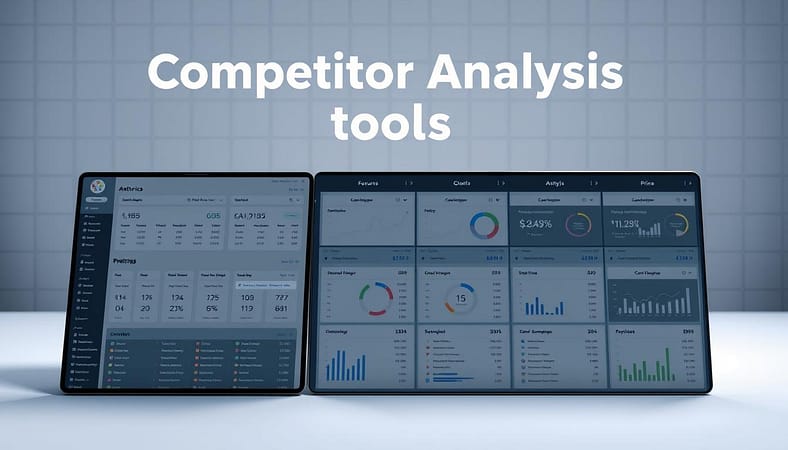
Here’s where it gets fascinating. You’re not just noting their ranking keywords. You’re studying their content approach. Are they using video tutorials where you have text guides? Do they cover subtopics you’ve overlooked?
Maybe they’re ranking for “eco-friendly dog beds” while you only write about “durable dog beds.” Perhaps they appear in AI overviews while you’re chasing page one rankings.
Select 2-3 main competitors. Review their top-performing pages. Note topics or keywords they rank for that you don’t. This isn’t about imitation—it’s about illumination.
Why does this matter? Because your competitors have already done the audience research. Their success tells you what people actually want. It’s like getting consumer insights without funding a focus group.
| Your Content | Competitor A | Competitor B | Gap Opportunity |
|---|---|---|---|
| Blog posts about basic pet care | Video tutorials on grooming techniques | Interactive pet nutrition guides | Multimedia content creation |
| Product descriptions | Customer experience videos | User-generated content campaigns | Social proof integration |
| Standard service pages | Detailed comparison guides | Industry expert interviews | Authority building content |
| General FAQ sections | Niche problem-solving articles | Localized service pages | Hyper-specific content |
The table above shows common content gaps. Notice how competitors often win with more specific, multimedia-rich approaches. They answer questions you haven’t even considered asking.
Remember: benchmarking isn’t about becoming your competitors. It’s about understanding why they succeed where you don’t. Then creating something even better.
Your webcam-equipped dog daycare doesn’t help if nobody searches for it. But if competitors rank for “pet daycare with live feeds”—maybe you should talk about those webcams more often.
Identifying Missing Topics
Ever feel left out at a party where everyone’s talking about The Bear and you’re stuck on last year’s finale? That’s what happens when you miss content opportunities. It’s not just about keywords – it’s about missing out on entire conversations.
Here’s the reality: people are searching for answers you haven’t given. They’re asking questions your content doesn’t cover. You’re missing the cultural moment and trending discussions.

When you find LLM prompts where you’re not mentioned, it’s like being the only restaurant not listed when someone asks “Where should I eat?” It hurts.
Tools like Semrush’s AI Visibility Toolkit show which prompts make your competitors shine while you’re in the dark. It’s a mix of competitive intelligence, content strategy, and “why didn’t I think of that?”
Then, there are buyer journey gaps. Maybe you have great introductory content but lack decision-making content. It’s like showing someone the trailer but not the movie. They know what your product is, but not why they should care.
Think about depth versus superficial coverage. If someone searches for “turmeric health benefits” and you only cover “general spice uses,” you’ve missed the anti-inflammatory conversation everyone wants.
“People also ask” questions are not suggestions – they’re demands. Your audience is telling you what they want to know next.
| Gap Type | What You’re Missing | How to Find It | Impact Level |
|---|---|---|---|
| AI Search Gaps | LLM prompts where competitors appear | AI visibility tools | High |
| Buyer Journey Gaps | Content for specific decision stages | Customer path analysis | Critical |
| Depth Gaps | Comprehensive topic coverage | “People also ask” analysis | Medium-High |
| Trend Gaps | Current cultural conversations | Social listening tools | Variable |
The table above shows the main types of content gaps you’ll encounter. Notice how AI search gaps have high impact? That’s because AI responses are becoming the new featured snippets.
Your content audit should reveal these missing pieces. It’s not just about what you have – it’s about what you don’t have that people actually want. The gaps between what searchers ask and what you provide.
Finding these missing topics is like discovering uncharted territory in your own backyard. They’re opportunities waiting to be claimed, conversations waiting to be joined, and audiences waiting to be served.
Creating Next Steps
Now that you’ve mapped the battlefield of missing content, it’s time to deploy your strategic forces. Think of this as your content D-Day – you need to know which beaches to storm first and which require more careful planning.
The smart approach? Start with what I call the “content triage” method. Identify those quick wins that’ll give you immediate visibility. These are the low-hanging fruit that can boost your rankings faster than a caffeine-fueled intern.
- Updating outdated content with fresh information
- Creating missing pieces that answer specific user questions
- Optimizing existing pages for newly discovered keyword gaps
But here’s where most content strategies fail: they treat everything as equally urgent. The reality? Some gaps deserve immediate attention while others belong in your long-term strategic plan.
Let’s break down your action plan using a simple effort-to-value matrix:
| Priority Level | Effort Required | Potential Value | Timeline | Example Actions |
|---|---|---|---|---|
| Quick Wins | Low (1-2 days) | Immediate traffic boost | 1-2 weeks | Update old posts, fix meta descriptions |
| Strategic Plays | Medium (3-10 days) | Substantial ROI | 1-3 months | Comprehensive guides, competitor gaps |
| Authority Builders | High (2-4 weeks) | Long-term dominance | 3-6 months | Original research, pillar content |
Notice how the table isn’t just about creating new content? That’s the secret sauce most marketers miss. Sometimes the biggest opportunities lie in improving what you already have.
Remember that blog post about remote work trends from 2021? It’s probably crying out for an update about AI collaboration tools and hybrid meeting strategies. That’s not just content maintenance – it’s strategic gap filling.
The real art of closing keyword gaps isn’t in the creation but in the prioritization. Ask yourself: Does this content provide real value to my audience? Is this something they actually care about? Will this position us as authorities?
Your content calendar should reflect this strategic thinking. Mix quick wins with longer-term projects. Balance immediate gains with foundational work. And always, always measure the impact of each piece you create or improve.
This approach transforms your content strategy from a scattered effort into a targeted campaign. You’re not just filling gaps – you’re building bridges to your audience that actually get traffic flowing in both directions.
Tracking New Opportunities
Publishing content is just the beginning. It’s the starting point. Now, you need to watch closely. Think of it as setting up security cameras all over your digital strategy.
Tools like Semrush’s Position Tracking are your eyes. They help you track your rankings for key words and AI prompts. You’ll see how your audience interacts and converts.
Don’t just watch yourself. Keep an eye on your competitors too. They’re always changing, filling their own gaps, and shifting strategies like the wind.
The digital world changes quickly. How people behave online changes too. New competitors show up. What worked yesterday might not work today.
This creates a powerful cycle. Your content’s performance tells you what to do next. You analyze, then create again. Standing pat in content means moving backward.
Always look for new gaps in content marketing. Adapt quickly. Make sure you’re not optimizing for keywords that no one searches anymore. Stay ahead, stay relevant.