
Ever wonder why some websites seem invisible while others are everywhere? It’s not magic. It’s all about smart planning.
This process is like a GPS for your website. It helps both Google and people find what they need. No more hoping for luck.
It’s about matching the right words to the right pages. But it’s not old-school keyword stuffing. It’s about knowing what people are searching for and making your content match.
Companies can go from invisible to leaders by using this strategy. It’s like having a blueprint for your website, not just throwing stuff together.
You’re not just optimizing for robots – you’re creating experiences that real people actually want to engage with. This is how you earn respect from search engines.
Steps to Effective Mapping
Think of keyword mapping as conducting a digital symphony. You need the right instruments, perfect arrangement, and impeccable timing. Your SEO blueprint should be clear and organized, not like a Jackson Pollock painting of random search terms. Let’s break this down into something easy to understand.
First, we do “digital anthropology” – research how your audience searches. Tools like SEMrush and Ahrefs help us understand this. We’re not just collecting keywords; we’re learning about search intent patterns.
Then, we categorize related terms into semantic clusters. These clusters should make sense logically. If your organization is confusing, you’re doing it wrong. This is where keyword clusters become organized and meaningful.
The mapping phase is where we assign primary and secondary keywords to pages. This creates a content hierarchy that improves rankings. It’s not random; it’s based on search volume and relevance.
Lastly, we monitor our progress. SEO without tracking is like throwing darts in the dark. We need to see what’s working and adjust our strategy.
| Phase | Key Activities | Tools & Techniques | Expected Outcome |
|---|---|---|---|
| Research & Discovery | Keyword research, search intent analysis | SEMrush, Ahrefs, Google Keyword Planner | Comprehensive keyword list |
| Organization & Clustering | Semantic grouping, content gap analysis | Spreadsheets, clustering tools | Structured keyword clusters |
| Mapping & Assignment | Primary/secondary keyword assignment | Keyword mapping templates | Clear content hierarchy |
| Implementation & Monitoring | Content optimization, performance tracking | Google Analytics, SEO platforms | Measurable SEO improvements |
Your SEO blueprint should evolve like a living document. The digital world changes fast. What works today might need changes tomorrow. The goal is to have a flexible framework that adapts while staying strong.
This way of keyword mapping helps you serve your audience’s needs. It’s the difference between shouting into the void and having a meaningful conversation with your ideal customers.
Organizing Content
Let’s talk about making your keyword chaos into order. I’ve seen content calendars that looked like Jackson Pollock paintings. They were fascinating but useless for navigation. The secret? Semantic clustering turns your keyword mapping into functional architecture.
Think of it like organizing a library. You wouldn’t shelve romance novels in the science section, right? Each book has its place in a system that makes sense. Your content deserves the same thoughtful organization.
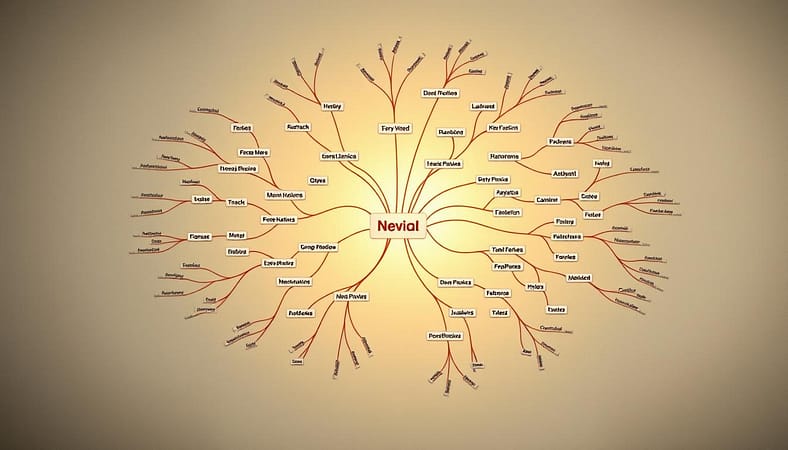
Modern keyword mapping requires grouping related terms into semantic clusters. It’s not just about similar words. It’s understanding how different keywords represent various facets of the same topic. It’s the difference between throwing ingredients into a pot and following a recipe.
Here’s how to build your content organization system:
- Identify your primary keyword – the main event for each page
- Select 3-5 secondary keywords – the supporting cast that adds depth
- Group variations naturally – understand the full search landscape
- Create topic clusters – pillar pages surrounded by supporting content
This organization creates what we call “topic clusters” – broad pillar pages surrounded by cluster pages addressing specific subtopics. It’s like building a digital ecosystem where every piece of content supports every other piece.
The beautiful part? This structure creates an authority framework that search engines absolutely adore. When you implement proper keyword mapping, you’re not just organizing content – you’re building a knowledge architecture that both users and algorithms can navigate effortlessly.
Your content strategy becomes a well-oiled machine. Each piece has purpose. Each keyword has placement. And your audience? They get exactly what they need at every stage of their journey.
SEO Benefits
Why bother with keyword mapping? It turns your SEO strategy into a precise plan. It’s like having a SEO blueprint for your digital space.
First, it stops internal competition. Without keyword mapping, content pieces fight for attention. They harm each other’s rankings instead of working together.
Your website becomes organized. It’s like a bookstore, not a garage sale. Visitors find what they need easily, and search engines reward you with better rankings.
Identifying content gaps becomes your superpower. You see what your audience wants but you haven’t provided. These topics stand out in your analytics.
Internal linking becomes natural. With proper keyword mapping, links guide users and boost your authority. It’s like having great architecture and perfect signs.
Here’s how these SEO benefits lead to real results:
| Benefit Category | Immediate Impact | Long-Term Value | Implementation Ease |
|---|---|---|---|
| Keyword Cannibalization Prevention | Reduced internal competition | Sustained ranking stability | Moderate (requires audit) |
| Site Architecture Improvement | Better crawl efficiency | Higher domain authority | High (systematic approach) |
| Content Gap Identification | New ranking opportunities | Comprehensive topic coverage | High (visual mapping) |
| Internal Linking Optimization | Improved page authority | Enhanced user journey | Moderate (requires planning) |
The most undervalued benefit? Aligning with business goals. Your keyword mapping connects marketing to revenue. It’s where creativity meets business results.
Companies that use this SEO blueprint see a 200% increase in organic traffic. It works because it meets search engine needs and user experience.
Your content stops guessing what search engines want. It starts delivering what audiences need. That’s the magic of proper keyword mapping.
Keyword Cannibalization Warning
Imagine your website pages as siblings fighting over the same toy. That’s what keyword cannibalization is like in the digital world. Instead of helping each other, they fight for attention. This confuses search engines, making it hard for them to decide which page is the best.
When many pages target the same keywords, it’s like an internal battle. Google sees this as duplicate content and splits your ranking power. It’s like two candidates from the same party fighting for votes.
I’ve seen sites with 20+ pages all trying to rank for “best running shoes” with small differences. The result? None of them made it to the top 10. They created a keyword cannibalization disaster where pages were eating each other’s visibility.
Proper keyword mapping acts as your digital peace treaty. It gives each page its own territory, making sure they work together. It’s like zoning laws for your content neighborhood.
| Without Keyword Mapping | With Keyword Mapping | Impact on Rankings |
|---|---|---|
| Multiple pages target same primary keyword | Each page has distinct primary keyword | Prevents authority dilution |
| Content overlaps significantly | Content has clear unique value | Improves topical authority |
| Internal competition for rankings | Pages support each other’s rankings | Creates ranking synergy |
| Confused search engine signals | Clear search intent signals | Boosts overall visibility |
The solution is simple but needs discipline. Give each page a primary keyword and support it with secondary terms. Your keyword mapping strategy should make your content work together like a team.
Remember, search engines like clear signals and dislike confusion. Strategic keyword mapping makes sure your pages work together, not against each other, in the fight for visibility.
Tools & Templates
No master chef works without proper tools, and executing your SEO blueprint is no different. Think of these tools as your digital sous-chefs, each specializing in a different aspect of keyword mapping.
For research, I swear by SEMrush and Ahrefs. They’re like digital crystal balls revealing what people actually search for. Google Keyword Planner provides reliable baseline data, while Answer the Public uncovers those question-based queries that reveal user intent.
For the mapping itself, a simple Excel template works wonders as your SEO blueprint’s foundation. It’s like a digital chessboard where you strategically place keywords. More advanced teams might prefer visualization tools like Trello or HubSpot’s content mapping features.
Here’s my professional secret: the real magic happens when you combine these tools with Google Search Console data. It’s like having both a map and a compass – your SEO blueprint shows where you want to go, Search Console shows where you actually stand.
The best part? Most tools offer free versions more powerful than what SEO professionals had just five years ago. Your SEO blueprint isn’t just theoretical – with these tools, it becomes an actionable battle plan for search dominance.