

Creating new content for every platform feels like Sisyphus pushing his boulder. It’s endless and a waste of talent. Why do we put ourselves through this?
But there’s a smarter way. Think of it as strategic alchemy. You turn a core idea into different formats. It’s not laziness; it’s wisdom.
Think about this: 90% of consumers now expect a consistent brand experience everywhere. A scattered approach breaks this. By reusing content, you create a unified story they love.
The benefits are huge. You make content faster without more work. You reach new people. Video can even increase conversions by nearly 40%. And you save money. It’s the best use of intellectual leverage.
You’re not just filling a calendar. You’re building a story across all channels.
FAQ
Q: What is multi-channel marketing?
A: Multi-channel marketing is a strategy that uses various channels to reach and engage with customers. It involves using different platforms such as social media, email, and websites to promote products or services.
Q: Why is multi-channel marketing important?
A: Multi-channel marketing is important because it allows businesses to reach a wider audience and increase brand awareness. By using multiple channels, businesses can target different customer segments and tailor their marketing efforts to specific audiences.
Q: What are the benefits of multi-channel marketing?
A: Multi-channel marketing offers several benefits, including increased brand awareness, improved customer engagement, and the ability to target specific customer segments. It also allows businesses to measure the effectiveness of their marketing efforts and make data-driven decisions.
Q: How can I implement multi-channel marketing?
A: To implement multi-channel marketing, businesses need to develop a marketing strategy that outlines their goals and objectives. They should then choose the appropriate channels to use, such as social media, email, and websites. It’s important to create a cohesive message across all channels and track the performance of each channel to optimize marketing efforts.
Q: What are some examples of multi-channel marketing campaigns?
A: Examples of multi-channel marketing campaigns include social media campaigns that utilize multiple platforms, email marketing campaigns that include targeted messages, and website-based campaigns that incorporate search engine optimization (SEO) and online advertising.
Q: How can I measure the success of my multi-channel marketing efforts?
A: To measure the success of multi-channel marketing efforts, businesses can track metrics such as website traffic, social media engagement, email open rates, and conversion rates. By analyzing these metrics, businesses can gain insights into the effectiveness of their marketing campaigns and make data-driven decisions to optimize their efforts.
Formats: Blogs, Videos, Social, Email
The real magic of content repurposing is when you see formats as different ways to say the same thing. Your main idea is the message. Each platform is just a different way to express it.
Think of your blog post as the original story. It’s your detailed explanation, the deep dive. It’s not just text—it’s a Swiss Army knife of insights waiting to be shared.
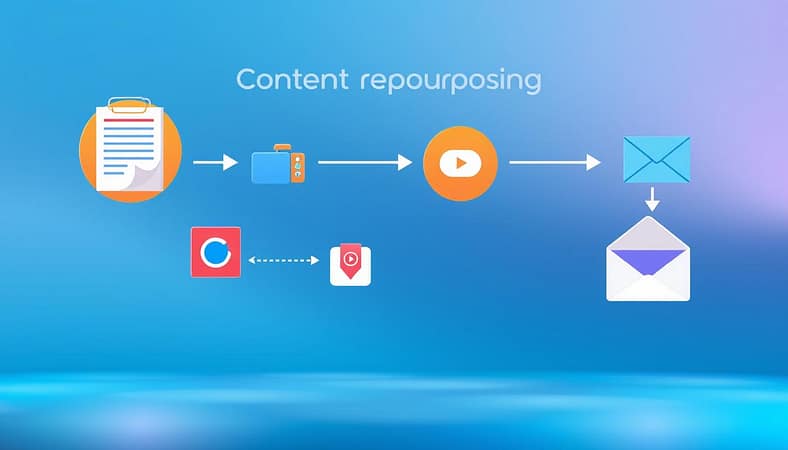
From this story, you get the key points. That important statistic becomes an Instagram post. The story’s flow turns into a YouTube video script. But, many treat each piece as a solo act.
Video content is very rich. A five-minute video isn’t just a video—it’s a treasure trove. The transcript becomes newsletter content. Key frames become Pinterest pins. The audio snippet is a podcast clip.
Social media needs a remix. Twitter wants your main point as a thread. LinkedIn likes the detailed analysis. Instagram wants the visual part. You’re not repeating yourself; you’re translating for different people.
Email might seem old-fashioned, but it’s direct. That video transcript is now a newsletter. The blog’s conclusion is a call-to-action. The mistake is seeing email as separate from social media.
This isn’t duplication; it’s strategic amplification. Each format reaches people in different ways. Some like reading, others watching, and many scanning.
This multi-format approach creates a “content ecosystem.” Your blog feeds social, which drives video views, which builds your email list. It’s a cycle, not separate tasks.
Want to master this approach? Check out our guide on how to repurpose one blog post content across many channels. The key is seeing your content as composable—like LEGO blocks you can reassemble endlessly.
Remember: Your audience isn’t one type. They consume content in different ways. The morning commuter listens. The lunch breaker scans. The evening reader reads. Your job is to be there in all the right ways.
This isn’t about working harder. It’s about working smarter. One idea, many ways to express it. That’s the power of true format mastery in content repurposing.
Workflow Tips
Think of repurposing workflow like the difference between a symphony orchestra and a garage band. Both make music, but only one follows a score. Without a process, it’s just noise. Your content needs a better plan than chaotic copying.
Let’s create a smarter system. Start by adding repurposing to your strategy from the beginning. When writing that key blog post, think about the tweetable quote and Instagram visual. This way, you plan for content reuse.
You’re not just writing an article. You’re building a content universe with a strong core message. Each piece should naturally connect to your main idea.

Next, break down toolshed silos. Using different platforms for content can lead to version control issues. Was the final edit in Google Docs, the design in Canva, or the social post in Hootsuite? This mess hurts efficiency.
Use one platform for your content universe. This prevents chaos. It makes multi-channel marketing easier to manage. Teams stay in sync, and assets are easy to find.
Intentionality is key to avoid spamming. Repurposing means adapting content for each platform. The tone for LinkedIn is different from TikTok. The format for email is not the same as Instagram.
Think about who’s reading your content and what they need. Consider the platform’s nature. This careful approach turns your multi-channel marketing efforts into a well-coordinated conversation.
Remember, the same truth can be shared in many ways. Your workflow should support this flexibility, not limit it. Create processes that encourage creativity within structure.
Your multi-channel marketing strategy needs planning, not just improvisation. With these tips, you’ll manage your content like a maestro. Every piece will play its part in perfect harmony.
FAQ
Q: What is content repurposing?
A: Content repurposing is the process of transforming existing content into new formats to reach different audiences and achieve various marketing goals. It involves reusing content in different ways, such as turning blog posts into videos or infographics, to maximize its value and impact.
Q: Why is content repurposing important?
A: Content repurposing is important because it allows you to breathe new life into existing content, making it more engaging and relevant to different audiences. It also helps you reach a wider audience, increase brand visibility, and achieve various marketing goals.
Q: What are some examples of content repurposing?
A: Some examples of content repurposing include turning blog posts into videos, infographics, or podcasts, repurposing social media content into blog posts or videos, and transforming presentations into blog posts or videos.
Q: How can I repurpose content effectively?
A: To repurpose content effectively, you need to understand your target audience and their preferences. You should also have a clear understanding of your marketing goals and the type of content that will resonate with your audience. By repurposing content in a way that aligns with your audience’s preferences and goals, you can maximize its value and impact.
Q: What are some content repurposing tools and resources?
A: There are various content repurposing tools and resources available to help you transform your existing content into new formats. Some popular tools include video editing software, infographic creation tools, and podcast recording software. These tools can help you create visually appealing and engaging content that resonates with your target audience.
Q: How can I measure the success of content repurposing?
A: To measure the success of content repurposing, you can track metrics such as engagement, reach, and conversions. By analyzing these metrics, you can determine the effectiveness of your content repurposing efforts and make data-driven decisions to optimize your strategy.
Q: What are some best practices for content repurposing?
A: Some best practices for content repurposing include understanding your target audience and their preferences, having a clear understanding of your marketing goals, and repurposing content in a way that aligns with your audience’s preferences and goals. By following these best practices, you can maximize the value and impact of your content repurposing efforts.
Why Choose a Multi-Channel Marketing Agency?
Choosing a multi-channel marketing agency is a smart move for businesses looking to thrive in today’s digital landscape. These agencies offer a wide range of services that cater to different marketing needs, ensuring a well-rounded approach to your brand’s growth.
Comprehensive Services
One of the key benefits of a multi-channel marketing agency is the comprehensive services they provide. From SEO and social media to email marketing and content creation, these agencies have the expertise to handle all aspects of your marketing strategy. This means you can focus on your core business while the agency handles the intricacies of marketing.
Expertise in Multiple Channels
Another significant advantage is the expertise in multiple channels. A good multi-channel marketing agency understands how to leverage various platforms to reach your target audience effectively. Whether it’s through social media, email campaigns, or search engine optimization, they know how to maximize your brand’s visibility and engagement.
Cost-Effective
Lastly, opting for a multi-channel marketing agency can be cost-effective. By outsourcing your marketing needs to a specialized agency, you can save on internal costs and resources. This allows you to allocate your budget more efficiently, focusing on other areas of your business that require investment.
In summary, a multi-channel marketing agency offers a range of benefits that can significantly enhance your brand’s online presence and growth. With their expertise in multiple channels and cost-effective solutions, they are an invaluable asset for any business looking to succeed in today’s competitive market.
FAQ
Q: What is content repurposing?
A: Content repurposing is the process of transforming existing content into new formats to reach different audiences and achieve various marketing goals. It involves reusing content in different ways, such as turning blog posts into videos or infographics, to maximize its value and impact.
Q: Why is content repurposing important?
A: Content repurposing is important because it allows you to breathe new life into existing content, making it more engaging and relevant to different audiences. It also helps you reach a wider audience, increase brand visibility, and achieve various marketing goals.
Q: What are some examples of content repurposing?
A: Some examples of content repurposing include turning blog posts into videos, infographics, or podcasts, repurposing social media content into blog posts or videos, and transforming whitepapers into webinars or e-books.
Q: How can I repurpose content effectively?
A: To repurpose content effectively, you need to understand your target audience and their preferences. You can repurpose content by transforming blog posts into videos, infographics, or podcasts, repurposing social media content into blog posts or videos, and transforming whitepapers into webinars or e-books.
Q: What are the benefits of content repurposing?
A: Content repurposing offers several benefits, including increasing brand visibility, reaching a wider audience, and achieving various marketing goals. It allows you to breathe new life into existing content, making it more engaging and relevant to different audiences.
Q: How can I repurpose content for different platforms?
A: To repurpose content for different platforms, you need to understand the unique characteristics and preferences of each platform. For example, you can transform blog posts into videos or infographics for platforms like YouTube or Instagram, and repurpose social media content into blog posts or videos for platforms like Facebook or LinkedIn.
Q: What are some content repurposing tools and resources?
A: There are several content repurposing tools and resources available to help you transform existing content into new formats. Some popular tools include Canva for creating infographics, Lumen5 for turning blog posts into videos, and Audacity for creating podcasts.
Q: How can I measure the success of content repurposing?
A: To measure the success of content repurposing, you need to track key metrics such as engagement, reach, and conversions. You can use analytics tools like Google Analytics to monitor website traffic, social media analytics tools to track engagement, and email marketing metrics to measure conversions.
Q: What are some best practices for content repurposing?
A: Some best practices for content repurposing include understanding your target audience and their preferences, repurposing content in a way that aligns with your marketing goals, and ensuring that the repurposed content is high-quality and engaging.
Q: How can I repurpose content for different formats?
A: To repurpose content for different formats, you need to understand the unique characteristics and preferences of each format. For example, you can transform blog posts into videos or infographics for platforms like YouTube or Instagram, and repurpose social media content into blog posts or videos for platforms like Facebook or LinkedIn.
Q: What are some content repurposing examples?
A: Some examples of content repurposing include turning blog posts into videos, infographics, or podcasts, repurposing social media content into blog posts or videos, and transforming whitepapers into webinars or e-books.
Q: How can I repurpose content for different platforms?
A: To repurpose content for different platforms, you need to understand the unique characteristics and preferences of each platform. For example, you can transform blog posts into videos or infographics for platforms like YouTube or Instagram, and repurpose social media content into blog posts or videos for platforms like Facebook or LinkedIn.
Q: What are some content repurposing tools and resources?
A: There are several content repurposing tools and resources available to help you transform existing content into new formats. Some popular tools include Canva for creating infographics, Lumen5 for turning blog posts into videos, and Audacity for creating podcasts.
Q: How can I measure the success of content repurposing?
A: To measure the success of content repurposing, you need to track key metrics such as engagement, reach, and conversions. You can use analytics tools like Google Analytics to monitor website traffic, social media analytics tools to track engagement, and email marketing metrics to measure conversions.
Q: What are some best practices for content repurposing?
A: Some best practices for content repurposing include understanding your target audience and their preferences, repurposing content in a way that aligns with your marketing goals, and ensuring that the repurposed content is high-quality and engaging.
Q: How can I repurpose content for different formats?
A: To repurpose content for different formats, you need to understand the unique characteristics and preferences of each format. For example, you can transform blog posts into videos or infographics for platforms like YouTube or Instagram, and repurpose social media content into blog posts or videos for platforms like Facebook or LinkedIn.
Q: What are some content repurposing examples?
A: Some examples of content repurposing include turning blog posts into videos, infographics, or podcasts, repurposing social media content into blog posts or videos, and transforming whitepapers into webinars or e-books.
Q: How can I repurpose content for different platforms?
A: To repurpose content for different platforms, you need to understand the unique characteristics and preferences of each platform. For example, you can transform blog posts into videos or infographics for platforms like YouTube or Instagram, and repurpose social media content into blog posts or videos for platforms like Facebook or LinkedIn.
Q: What are some content repurposing tools and resources?
A: There are several content repurposing tools and resources available to help you transform existing content into new formats. Some popular tools include Canva for creating infographics, Lumen5 for turning blog posts into videos, and Audacity for creating podcasts.
Q: How can I measure the success of content repurposing?
A: To measure the success of content repurposing, you need to track key metrics such as engagement, reach, and conversions. You can use analytics tools like Google Analytics to monitor website traffic, social media analytics tools to track engagement, and email marketing metrics to measure conversions.
Q: What are some best practices for content repurposing?
A: Some best practices for content repurposing include understanding your target audience and their preferences, repurposing content in a way that aligns with your marketing goals, and ensuring that the repurposed content is high-quality and engaging.
Q: How can I repurpose content for different formats?
A: To repurpose content for different formats, you need to understand the unique characteristics and preferences of each format. For example, you can transform blog posts into videos or infographics for platforms like YouTube or Instagram, and repurpose social media content into blog posts or videos for platforms like Facebook or LinkedIn.
Q: What are some content repurposing examples?
A: Some examples of content repurposing include turning blog posts into videos, infographics, or podcasts, repurposing social media content into blog posts or videos, and transforming whitepapers into webinars or e-books.
Q: How can I repurpose content for different platforms?
A: To repurpose content for different platforms, you need to understand the unique characteristics and preferences of each platform. For example, you can transform blog posts into videos or infographics for platforms like YouTube or Instagram, and repurpose social media content into blog posts or videos for platforms like Facebook or LinkedIn.
Q: What are some content repurposing tools and resources?
A: There are several content repurposing tools and resources available to help you transform existing content into new formats. Some popular tools include Canva for creating infographics, Lumen5 for turning blog posts into videos, and Audacity for creating podcasts.
Q: How can I measure the success of content repurposing?
A: To measure the success of content repurposing, you need to track key metrics such as engagement, reach, and conversions. You can use analytics tools like Google Analytics to monitor website traffic, social media analytics tools to track engagement, and email marketing metrics to measure conversions.
Q: What are some best practices for content repurposing?
A: Some best practices for content repurposing include understanding your target audience and their preferences, repurposing content in a way that aligns with your marketing goals, and ensuring that the repurposed content is high-quality and engaging.
Q: How can I repurpose content for different formats?
A: To repurpose content for different formats, you need to understand the unique characteristics and preferences of each format. For example, you can transform blog posts into videos or infographics for platforms like YouTube or Instagram, and repurpose social media content into blog posts or videos for platforms like Facebook or LinkedIn.
Q: What are some content repurposing examples?
A: Some examples of content repurposing include turning blog posts into videos, infographics, or podcasts, repurposing social media content into blog posts or videos, and transforming whitepapers into webinars or e-books.
Q: How can I repurpose content for different platforms?
A: To repurpose content for different platforms, you need to understand the unique characteristics and preferences of each platform. For example, you can transform blog posts into videos or infographics for platforms like YouTube or Instagram, and repurpose social media content into blog posts or videos for platforms like Facebook or LinkedIn.
Q: What are some content repurposing tools and resources?
A: There are several content repurposing tools and resources available to help you transform existing content into new formats. Some popular tools include Canva for creating infographics, Lumen5 for turning blog posts into videos, and Audacity for creating podcasts.
Q: How can I measure the success of content repurposing?
A: To measure the success of content repurposing, you need to track key metrics such as engagement, reach, and conversions. You can use analytics tools like Google Analytics to monitor website traffic, social media analytics tools to track engagement, and email marketing metrics to measure conversions.
Q: What are some best practices for content repurposing?
A: Some best practices for content repurposing include understanding your target audience and their preferences, repurposing content in a way that aligns with your marketing goals, and ensuring that the repurposed content is high-quality and engaging.
Q: How can I repurpose content for different formats?
A: To repurpose content for different formats, you need to understand the unique characteristics and preferences of each format. For example, you can transform blog posts into videos or infographics for platforms like YouTube or Instagram, and repurpose social media content into blog posts or videos for platforms like Facebook or LinkedIn.
Q: What are some content repurposing examples?
A: Some examples of content repurposing include turning blog posts into videos, infographics, or podcasts, repurposing social media content into blog posts or videos, and transforming whitepapers into webinars or e-books.
Q: How can I repurpose content for different platforms?
A: To repurpose content for different platforms, you need to understand the unique characteristics and preferences of each platform. For example, you can transform blog posts into videos or infographics for platforms like YouTube or Instagram, and repurpose social media content into blog posts or videos for platforms like Facebook or LinkedIn.
Q: What are some content repurposing tools and resources?
A: There are several content repurposing tools and resources available to help you transform existing content into new formats. Some popular tools include Canva for creating infographics, Lumen5 for turning blog posts into videos, and Audacity for creating podcasts.
Q: How can I measure the success of content repurposing?
A: To measure the success of content repurposing, you need to track key metrics such as engagement, reach, and conversions. You can use analytics tools like Google Analytics to monitor website traffic, social media analytics tools to track engagement, and email marketing metrics to measure conversions.
Q: What are some best practices for content repurposing?
A: Some best practices for content repurposing include understanding your target audience and their preferences, repurposing content in a way that aligns with your marketing goals, and ensuring that the repurposed content is high-quality and engaging.
Q: How can I repurpose content for different formats?
A: To repurpose content for different formats, you need to understand the unique characteristics and preferences of each format. For example, you can transform blog posts into videos or infographics for platforms like YouTube or Instagram, and repurpose social media content into blog posts or videos for platforms like Facebook or LinkedIn.
Q: What are some content repurposing examples?
A: Some examples of content repurposing include turning blog posts into videos, infographics, or podcasts, repurposing social media content into blog posts or videos, and transforming whitepapers into webinars or e-books.
Q: How can I repurpose content for different platforms?
A: To repurpose content for different platforms, you need to understand the unique characteristics and preferences of each platform. For example, you can transform blog posts into videos or infographics for platforms like YouTube or Instagram, and repurpose social media content into blog posts or videos for platforms like Facebook or LinkedIn.
Q: What are some content repurposing tools and resources?
A: There are several content repurposing tools and resources available to help you transform existing content into new formats. Some popular tools include Canva for creating infographics, Lumen5 for turning blog posts into videos, and Audacity for creating podcasts.
Q: How can I measure the success of content repurposing?
A: To measure the success of content repurposing, you need to track key metrics such as engagement, reach, and conversions. You can use analytics tools like Google Analytics to monitor website traffic, social media analytics tools to track engagement, and email marketing metrics to measure conversions.
Q: What are some best practices for content repurposing?
A: Some best practices for content repurposing include understanding your target audience and their preferences, repurposing content in a way that aligns with your marketing goals, and ensuring that the repurposed content is high-quality and engaging.
Q: How can I repurpose content for different formats?
A: To repurpose content for different formats, you need to understand the unique characteristics and preferences of each format. For example, you can transform blog posts into videos or infographics for platforms like YouTube or Instagram, and repurpose social media content into blog posts or videos for platforms like Facebook or LinkedIn.
Q: What are some content repurposing examples?
A: Some examples of content repurposing include turning blog posts into videos, infographics, or podcasts, repurposing social media content into blog posts or videos, and transforming whitepapers into webinars or e-books.
Q: How can I repurpose content for different platforms?
A: To repurpose content for different platforms, you need to understand the unique characteristics and preferences of each platform. For example, you can transform blog posts into videos or infographics for platforms like YouTube or Instagram, and repurpose social media content into blog posts or videos for platforms like Facebook or LinkedIn.
Q: What are some content repurposing tools and resources?
A: There are several content repurposing tools and resources available to help you transform existing content into new formats. Some popular tools include Canva for creating infographics, Lumen5 for turning blog posts into videos, and Audacity for creating podcasts.
Q: How can I measure the success of content repurposing?
A: To measure the success of content repurposing, you need to track key metrics such as engagement, reach, and conversions. You can use analytics tools like Google Analytics to monitor website traffic, social media analytics tools to track engagement, and email marketing metrics to measure conversions.
Q: What are some best practices for content repurposing?
A: Some best practices for content repurposing include understanding your target audience and their preferences, repurposing content in a way that aligns with your marketing goals, and ensuring that the repurposed content is high-quality and engaging.
Q: How can I repurpose content for different formats?
A: To repurpose content for different formats, you need to understand the unique characteristics and preferences of each format. For example, you can transform blog posts into videos or infographics for platforms like YouTube or Instagram, and repurpose social media content into blog posts or videos for platforms like Facebook or LinkedIn.
Q: What are some content repurposing examples?
A: Some examples of content repurposing include turning blog posts into videos, infographics, or podcasts, repurposing social media content into blog posts or videos, and transforming whitepapers into webinars or e-books.
Q: How can I repurpose content for different platforms?
A: To repurpose content for different platforms, you need to understand the unique characteristics and preferences of each platform. For example, you can transform blog posts into videos or infographics for platforms like YouTube or Instagram, and repurpose social media content into blog posts or videos for platforms like Facebook or LinkedIn.
Q: What are some content repurposing tools and resources?
A: There are several content repurposing tools and resources available to help you transform existing content into new formats. Some popular tools include Canva for creating infographics, Lumen5 for turning blog posts into videos, and Audacity for creating podcasts.
Q: How can I measure the success of content repurposing?
A: To measure the success of content repurposing, you need to track key metrics such as engagement, reach, and conversions. You can use analytics tools like Google Analytics to monitor website traffic, social media analytics tools to track engagement, and email marketing metrics to measure conversions.
Q: What are some best practices for content repurposing?
A: Some best practices for content repurposing include understanding your target audience and their preferences, repurposing content in a way that aligns with your marketing goals, and ensuring that the repurposed content is high-quality and engaging.
Q: How can I repurpose content for different formats?
A: To repurpose content for different formats, you need to understand the unique characteristics and preferences of each format. For example, you can transform blog posts into videos or infographics for platforms like YouTube or Instagram, and repurpose social media content into blog posts or videos for platforms like Facebook or LinkedIn.
Q: What are some content repurposing examples?
A: Some examples of content repurposing include turning blog posts into videos, infographics, or podcasts, repurposing social media content into blog posts or videos, and transforming whitepapers into webinars or e-books.
Q: How can I repurpose content for different platforms?
A: To repurpose content for different platforms, you need to understand the unique characteristics and preferences of each platform. For example, you can transform blog posts into videos or infographics for platforms like YouTube or Instagram, and repurpose social media content into blog posts or videos for platforms like Facebook or LinkedIn.
Q: What are some content repurposing tools and resources?
A: There are several content repurposing tools and resources available to help you transform existing content into new formats. Some popular tools include Canva for creating infographics, Lumen5 for turning blog posts into videos, and Audacity for creating podcasts.
Q: How can I measure the success of content repurposing?
A: To measure the success of content repurposing, you need to track key metrics such as engagement, reach, and conversions. You can use analytics tools like Google Analytics to monitor website traffic, social media analytics tools to track engagement, and email marketing metrics to measure conversions.
Q: What are some best practices for content repurposing?
A: Some best practices for content repurposing include understanding your target audience and their preferences, repurposing content in a way that aligns with your marketing goals, and ensuring that the repurposed content is high-quality and engaging.
Q: How can I repurpose content for different formats?
A: To repurpose content for different formats, you need to understand the unique characteristics and preferences of each format. For example, you can transform blog posts into videos or infographics for platforms like YouTube or Instagram, and repurpose social media content into blog posts or videos for platforms like Facebook or LinkedIn.
Q: What are some content repurposing examples?
A: Some examples of content repurposing include turning blog posts into videos, infographics, or podcasts, repurposing social media content into blog posts or videos, and transforming whitepapers into webinars or e-books.
Q: How can I repurpose content for different platforms?
A: To repurpose content for different platforms, you need to understand the unique characteristics and preferences of each platform. For example, you can transform blog posts into videos or infographics for platforms like YouTube or Instagram, and repurpose social media content into blog posts or videos for platforms like Facebook or LinkedIn.
Q: What are some content repurposing tools and resources?
A: There are several content repurposing tools and resources available to help you transform existing content into new formats. Some popular tools include Canva for creating infographics, Lumen5 for turning blog posts into videos, and Audacity for creating podcasts.
Q: How can I measure the success of content repurposing?
A: To measure the success of content repurposing, you need to track key metrics such as engagement, reach, and conversions. You can use analytics tools like Google Analytics to monitor website traffic, social media analytics tools to track engagement, and email marketing metrics to measure conversions.
Q: What are some best practices for content repurposing?
A: Some best practices for content repurposing include understanding your target audience and their preferences, repurposing content in a way that aligns with your marketing goals, and ensuring that the repurposed content is high-quality and engaging.
Q: How can I repurpose content for different formats?
A: To repurpose content for different formats, you need to understand the unique characteristics and preferences of each format. For example, you can transform blog posts into videos or infographics for platforms like YouTube or Instagram, and repurpose social media content into blog posts or videos for platforms like Facebook or LinkedIn.
Q: What are some content repurposing examples?
A: Some examples of content repurposing include turning blog posts into videos, infographics, or podcasts, repurposing social media content into blog posts or videos, and transforming whitepapers into webinars or e-books.
Q: How can I repurpose content for different platforms?
A: To repurpose content for different platforms, you need to understand the unique characteristics and preferences of each platform. For example, you can transform blog posts into videos or infographics for platforms like YouTube or Instagram, and repurpose social media content into blog posts or videos for platforms like Facebook or LinkedIn.
Q: What are some content repurposing tools and resources?
A: There are several content repurposing tools and resources available to help you transform existing content into new formats. Some popular tools include Canva for creating infographics, Lumen5 for turning blog posts into videos, and Audacity for creating podcasts.
Q: How can I measure the success of content repurposing?
A: To measure the success of content repurposing, you need to track key metrics such as engagement, reach, and conversions. You can use analytics tools like Google Analytics to monitor website traffic, social media analytics tools to track engagement, and email marketing metrics to measure conversions.
Q: What are some best practices for content repurposing?
A: Some best practices for content repurposing include understanding your target audience and their preferences, repurposing content in a way that aligns with your marketing goals, and ensuring that the repurposed content is high-quality and engaging.
Q: How can I repurpose content for different formats?
A: To repurpose content for different formats, you need to understand the unique characteristics and preferences of each format. For example, you can transform blog posts into videos or infographics for platforms like YouTube or Instagram, and repurpose social media content into blog posts or videos for platforms like Facebook or LinkedIn.
Q: What are some content repurposing examples?
A: Some examples of content repurposing include turning blog posts into videos, infographics, or podcasts, repurposing social media content into blog posts or videos, and transforming whitepapers into webinars or e-books.
Q: How can I repurpose content for different platforms?
A: To repurpose content for different platforms, you need to understand the unique characteristics and preferences of each platform. For example, you can transform blog posts into videos or infographics for platforms like YouTube or Instagram, and repurpose social media content into blog posts or videos for platforms like Facebook or LinkedIn.
Q: What are some content repurposing tools and resources?
A: There are several content repurposing tools and resources available to help you transform existing content into new formats. Some popular tools include Canva for creating infographics, Lumen5 for turning blog posts into videos, and Audacity for creating podcasts.
Q: How can I measure the success of content repurposing?
A: To measure the success of content repurposing, you need to track key metrics such as engagement, reach, and conversions. You can use analytics tools like Google Analytics to monitor website traffic, social media analytics tools to track engagement, and email marketing metrics to measure conversions.
Q: What are some best practices for content repurposing?
A: Some best practices for content repurposing include understanding your target audience and their preferences, repurposing content in a way that aligns with your marketing goals, and ensuring that the repurposed content is high-quality and engaging.
Q: How can I repurpose content for different formats?
A: To repurpose content for different formats, you need to understand the unique characteristics and preferences of each format. For example, you can transform blog posts into videos or infographics for platforms like YouTube or Instagram, and repurpose social media content into blog posts or videos for platforms like Facebook or LinkedIn.
Q: What are some content repurposing examples?
A: Some examples of content repurposing include turning blog posts into videos, infographics, or podcasts, repurposing social media content into blog posts or videos, and transforming whitepapers into webinars or e-books.
Q: How can I repurpose content for different platforms?
A: To repurpose content for different platforms, you need to understand the unique characteristics and preferences of each platform. For example, you can transform blog posts into videos or infographics for platforms like YouTube or Instagram, and repurpose social media content into blog posts or videos for platforms like Facebook or LinkedIn.
Q: What are some content repurposing tools and resources?
A: There are several content repurposing tools and resources available to help you transform existing content into new formats. Some popular tools include Canva for creating infographics, Lumen5 for turning blog posts into videos, and Audacity for creating podcasts.
Q: How can I measure the success of content repurposing?
A: To measure the success of content repurposing, you need to track key metrics such as engagement, reach, and conversions. You can use analytics tools like Google Analytics to monitor website traffic, social media analytics tools to track engagement, and email marketing metrics to measure conversions.
Q: What are some best practices for content repurposing?
A: Some best practices for content repurposing include understanding your target audience and their preferences, repurposing content in a way that aligns with your marketing goals, and ensuring that the repurposed content is high-quality and engaging.
Q: How can I repurpose content for different formats?
A: To repurpose content for different formats, you need to understand the unique characteristics and preferences of each format. For example, you can transform blog posts into videos or infographics for platforms like YouTube or Instagram, and repurpose social media content into blog posts or videos for platforms like Facebook or LinkedIn.
Q: What are some content repurposing examples?
A: Some examples of content repurposing include turning blog posts into videos, infographics, or podcasts, repurposing social media content into blog posts or videos, and transforming whitepapers into webinars or e-books.
Q: How can I repurpose content for different platforms?
A: To repurpose content for different platforms, you need to understand the unique characteristics and preferences of each platform. For example, you can transform blog posts into videos or infographics for platforms like YouTube or Instagram, and repurpose social media content into blog posts or videos for platforms like Facebook or LinkedIn.
Q: What are some content repurposing tools and resources?
A: There are several content repurposing tools and resources available to help you transform existing content into new formats. Some popular tools include Canva for creating infographics, Lumen5 for turning blog posts into videos, and Audacity for creating podcasts.
Q: How can I measure the success of content repurposing?
A: To measure the success of content repurposing, you need to track key metrics such as engagement, reach, and conversions. You can use analytics tools like Google Analytics to monitor website traffic, social media analytics tools to track engagement, and email marketing metrics to measure conversions.
Q: What are some best practices for content repurposing?
A: Some best practices for content repurposing include understanding your target audience and their preferences, repurposing content in a way that aligns with your marketing goals, and ensuring that the repurposed content is high-quality and engaging.
Q: How can I repurpose content for different formats?
A: To repurpose content for different formats, you need to understand the unique characteristics and preferences of each format. For example, you can transform blog posts into videos or infographics for platforms like YouTube or Instagram, and repurpose social media content into blog posts or videos for platforms like Facebook or LinkedIn.
Q: What are some content repurposing examples?
A: Some examples of content repurposing include turning blog posts into videos, infographics, or podcasts, repurposing social media content into blog posts or videos, and transforming whitepapers into webinars or e-books.
Q: How can I repurpose content for different platforms?
A: To repurpose content for different platforms, you need to understand the unique characteristics and preferences of each platform. For example, you can transform blog posts into videos or infographics for platforms like YouTube or Instagram, and repurpose social media content into blog posts or videos for platforms like Facebook or LinkedIn.
Q: What are some content repurposing tools and resources?
A: There are several content repurposing tools and resources available to help you transform existing content into new formats. Some popular tools include Canva for creating infographics, Lumen5 for turning blog posts into videos, and Audacity for creating podcasts.
Q: How can I measure the success of content repurposing?
A: To measure the success of content repurposing, you need to track key metrics such as engagement, reach, and conversions. You can use analytics tools like Google Analytics to monitor website traffic, social media analytics tools to track engagement, and email marketing metrics to measure conversions.
Q: What are some best practices for content repurposing?
A: Some best practices for content repurposing include understanding your target audience and their preferences, repurposing content in a way that aligns with your marketing goals, and ensuring that the repurposed content is high-quality and engaging.
Q: How can I repurpose content for different formats?
A: To repurpose content for different formats, you need to understand the unique characteristics and preferences of each format. For example, you can transform blog posts into videos or infographics for platforms like YouTube or Instagram, and repurpose social media content into blog posts or videos for platforms like Facebook or LinkedIn.
Q: What are some content repurposing examples?
A: Some examples of content repurposing include turning blog posts into videos, infographics, or podcasts, repurposing social media content into blog posts or videos, and transforming whitepapers into webinars or e-books.
Q: How can I repurpose content for different platforms?
A: To repurpose content for different platforms, you need to understand the unique characteristics and preferences of each platform. For example, you can transform blog posts into videos or infographics for platforms like YouTube or Instagram, and repurpose social media content into blog posts or videos for platforms like Facebook or LinkedIn.
Q: What are some content repurposing tools and resources?
A: There are several content repurposing tools and resources available to help you transform existing content into new formats. Some popular tools include Canva for creating infographics, Lumen5 for turning blog posts into videos, and Audacity for creating podcasts.
Q: How can I measure the success of content repurposing?
A: To measure the success of content repurposing, you need to track key metrics such as engagement, reach, and conversions. You can use analytics tools like Google Analytics to monitor website traffic, social media analytics tools to track engagement, and email marketing metrics to measure conversions.
Q: What are some best practices for content repurposing?
A: Some best practices for content repurposing include understanding your target audience and their preferences, repurposing content in a way that aligns with your marketing goals, and ensuring that the repurposed content is high-quality and engaging.
Q: How can I repurpose content for different formats?
A: To repurpose content for different formats, you need to understand the unique characteristics and preferences of each format. For example, you can transform blog posts into videos or infographics for platforms like YouTube or Instagram, and repurpose social media content into blog posts or videos for platforms like Facebook or LinkedIn.
Q: What are some content repurposing examples?
A: Some examples of content repurposing include turning blog posts into videos, infographics, or podcasts, repurposing social media content into blog posts or videos, and transforming whitepapers into webinars or e-books.
Q: How can I repurpose content for different platforms?
A: To repurpose content for different platforms, you need to understand the unique characteristics and preferences of each platform. For example, you can transform blog posts into videos or infographics for platforms like YouTube or Instagram, and repurpose social media content into blog posts or videos for platforms like Facebook or LinkedIn.
Q: What are some content repurposing tools and resources?
A: There are several content repurposing tools and resources available to help you transform existing content into new formats. Some popular tools include Canva for creating infographics, Lumen5 for turning blog posts into videos, and Audacity for creating podcasts.
Q: How can I measure the success of content repurposing?
A: To measure the success of content repurposing, you need to track key metrics such as engagement, reach, and conversions. You can use analytics tools like Google Analytics to monitor website traffic, social media analytics tools to track engagement, and email marketing metrics to measure conversions.
Q: What are some best practices for content repurposing?
A: Some best practices for content repurposing include understanding your target audience and their preferences, repurposing content in a way that aligns with your marketing goals, and ensuring that the repurposed content is high-quality and engaging.
Q: How can I repurpose content for different formats?
A: To repurpose content for different formats, you need to understand the unique characteristics and preferences of each format. For example, you can transform blog posts into videos or infographics for platforms like YouTube or Instagram, and repurpose social media content into blog posts or videos for platforms like Facebook or LinkedIn.
Q: What are some content repurposing examples?
A: Some examples of content repurposing include turning blog posts into videos, infographics, or podcasts, repurposing social media content into blog posts or videos, and transforming whitepapers into webinars or e-books.
Q: How can I repurpose content for different platforms?
A: To repurpose content for different platforms, you need to understand the unique characteristics and preferences of each platform. For example, you can transform blog posts into videos or infographics for platforms like YouTube or Instagram, and repurpose social media content into blog posts or videos for platforms like Facebook or LinkedIn.
Q: What are some content repurposing tools and resources?
A: There are several content repurposing tools and resources available to help you transform existing content into new formats. Some popular tools include Canva for creating infographics, Lumen5 for turning blog posts into videos, and Audacity for creating podcasts.
Q: How can I measure the success of content repurposing?
A: To measure the success of content repurposing, you need to track key metrics such as engagement, reach, and conversions. You can use analytics tools like Google Analytics to monitor website traffic, social media analytics tools to track engagement, and email marketing metrics to measure conversions.
Q: What are some best practices for content repurposing?
A: Some best practices for content repurposing include understanding your target audience and their preferences, repurposing content in a way that aligns with your marketing goals, and ensuring that the repurposed content is high-quality and engaging.
Q: How can I repurpose content for different formats?
A: To repurpose content for different formats, you need to understand the unique characteristics and preferences of each format. For example, you can transform blog posts into videos or infographics for platforms like YouTube or Instagram, and repurpose social media content into blog posts or videos for platforms like Facebook or LinkedIn.
Q: What are some content repurposing examples?
A: Some examples of content repurposing include turning blog posts into videos, infographics, or podcasts, repurposing social media content into blog posts or videos, and transforming whitepapers into webinars or e-books.
Q: How can I repurpose content for different platforms?
A: To repurpose content for different platforms, you need to understand the unique characteristics and preferences of each platform. For example, you can transform blog posts into videos or infographics for platforms like YouTube or Instagram, and repurpose social media content into blog posts or videos for platforms like Facebook or LinkedIn.
Q: What are some content repurposing tools and resources?
A: There are several content repurposing tools and resources available to help you transform existing content into new formats. Some popular tools include Canva for creating infographics, Lumen5 for turning blog posts into videos, and Audacity for creating podcasts.
Q: How can I measure the success of content repurposing?
A: To measure the success of content repurposing, you need to track key metrics such as engagement, reach, and conversions. You can use analytics tools like Google Analytics to monitor website traffic, social media analytics tools to track engagement, and email marketing metrics to measure conversions.
Q: What are some best practices for content repurposing?
A: Some best practices for content repurposing include understanding your target audience and their preferences, repurposing content in a way that aligns with your marketing goals, and ensuring that the repurposed content is high-quality and engaging.
Q: How can I repurpose content for different formats?
A: To repurpose content for different formats, you need to understand the unique characteristics and preferences of each format. For example, you can transform blog posts into videos or infographics for platforms like YouTube or Instagram, and repurpose social media content into blog posts or videos for platforms like Facebook or LinkedIn.
Q: What are some content repurposing examples?
A: Some examples of content repurposing include turning blog posts into videos, infographics, or podcasts, repurposing social media content into blog posts or videos, and transforming whitepapers into webinars or e-books.
Q: How can I repurpose content for different platforms?
A: To repurpose content for different platforms, you need to understand the unique characteristics and preferences of each platform. For example, you can transform blog posts into videos or infographics for platforms like YouTube or Instagram, and repurpose social media content into blog posts or videos for platforms like Facebook or LinkedIn.
Q: What are some content repurposing tools and resources?
A: There are several content repurposing tools and resources available to help you transform existing content
FAQ
Q: What is multi-channel marketing?
A: Multi-channel marketing is a strategy that uses various channels to reach and engage with customers. It involves using different platforms such as social media, email, and websites to promote products or services.
Q: Why is multi-channel marketing important?
A: Multi-channel marketing is important because it allows businesses to reach a wider audience and increase their chances of success. By using multiple channels, businesses can target different customer segments and tailor their marketing efforts to each group’s preferences.
Q: What are the benefits of multi-channel marketing?
A: The benefits of multi-channel marketing include increased brand awareness, improved customer engagement, and the ability to reach a wider audience. By using multiple channels, businesses can create a cohesive brand image and provide a seamless customer experience across different platforms.
Q: How can I implement multi-channel marketing?
A: To implement multi-channel marketing, you need to have a clear understanding of your target audience and their preferences. You should also have a well-defined marketing strategy that outlines the channels you will use and how you will measure success. It’s important to track the performance of each channel and make adjustments as needed.
Q: What are some examples of multi-channel marketing campaigns?
A: Some examples of multi-channel marketing campaigns include social media campaigns that involve both organic and paid advertising, email marketing campaigns that include personalized messages and offers, and influencer partnerships that leverage the influence of industry experts or thought leaders.
Q: How can I measure the success of my multi-channel marketing campaigns?
A: To measure the success of your multi-channel marketing campaigns, you should track key performance indicators (KPIs) such as website traffic, social media engagement, email open rates, and conversion rates. By analyzing these metrics, you can gain insights into the effectiveness of your campaigns and make data-driven decisions to optimize your marketing efforts.
Q: What are some best practices for multi-channel marketing?
A: Some best practices for multi-channel marketing include creating a cohesive brand image across all channels, personalizing your marketing efforts to individual customers, and regularly analyzing and optimizing your campaigns based on performance data. It’s also important to stay up-to-date with the latest trends and technologies in the industry.
Q: How can I integrate multi-channel marketing with my existing marketing strategy?
A: To integrate multi-channel marketing with your existing marketing strategy, you should align your multi-channel efforts with your overall marketing goals. This involves identifying the channels that align best with your target audience and marketing objectives. It’s also important to ensure that your multi-channel marketing efforts are consistent with your brand image and messaging.
Q: What are some common challenges in multi-channel marketing?
A: Some common challenges in multi-channel marketing include managing multiple channels and campaigns, ensuring consistency across different platforms, and measuring the effectiveness of each channel. To overcome these challenges, it’s important to have a well-organized marketing team, utilize marketing automation tools, and regularly analyze and optimize your campaigns based on performance data.